
Corporate sports activities for teams in Singapore.
Explore 58 sports and activities for team bonding, corporate workshops, one-off wellness sessions, facilitated team development, sports clinics and ongoing employee programmes. Start with your objective and LyfeGo will recommend a suitable format.
Explore corporate sports activities and workshops in Singapore across team sports, racket sports, fitness, movement, outdoor activities, precision activities and martial arts. Activities can support team bonding, skills development, large-group sports events or employee wellness depending on how the programme is designed.
Use the directory alongside our programmes for corporate team bonding activities, large-group sports carnivals, behavioural team building and employee wellness programmes.
58 sports and activities
One network. Different corporate programme formats.
The same sport can be used in different ways: as a coordinated team experience, a beginner workshop, a station within a multi-sport event, an experiential team-development activity or part of an ongoing wellness programme.
Find a starting point
What could your team try?
Explore a programme shortlist or a connected carnival mix. All 58 activities are available to browse across the seven categories.Intensity is more than physical effort. It spans physical, technical, cognitive, emotional, social, competitive and reflective demands. These are starting profiles, not seven identical settings. Explore the seven intensity dials.
Suggested starting point
Team Bonding Experience
Shared participation and connection, with activities designed around your group.medium intensity: Physical movement, team interaction and competitive pressure. A manageable challenge with some skill, decisions or scoring.
The format is adapted for shared participation rather than athletic ability alone.
- Floorball
- Dodgeball
- Frisbee
- Cricket
Space, group size and participant needs determine the final format.
Illustrative suggestions, not fixed suitability or safety ratings. Final corporate formats depend on your objectives, participants, venue, budget and delivery expertise. Wellness classes follow the provider’s existing format and availability.
Activities in practice
Different activities. Different ways to take part.
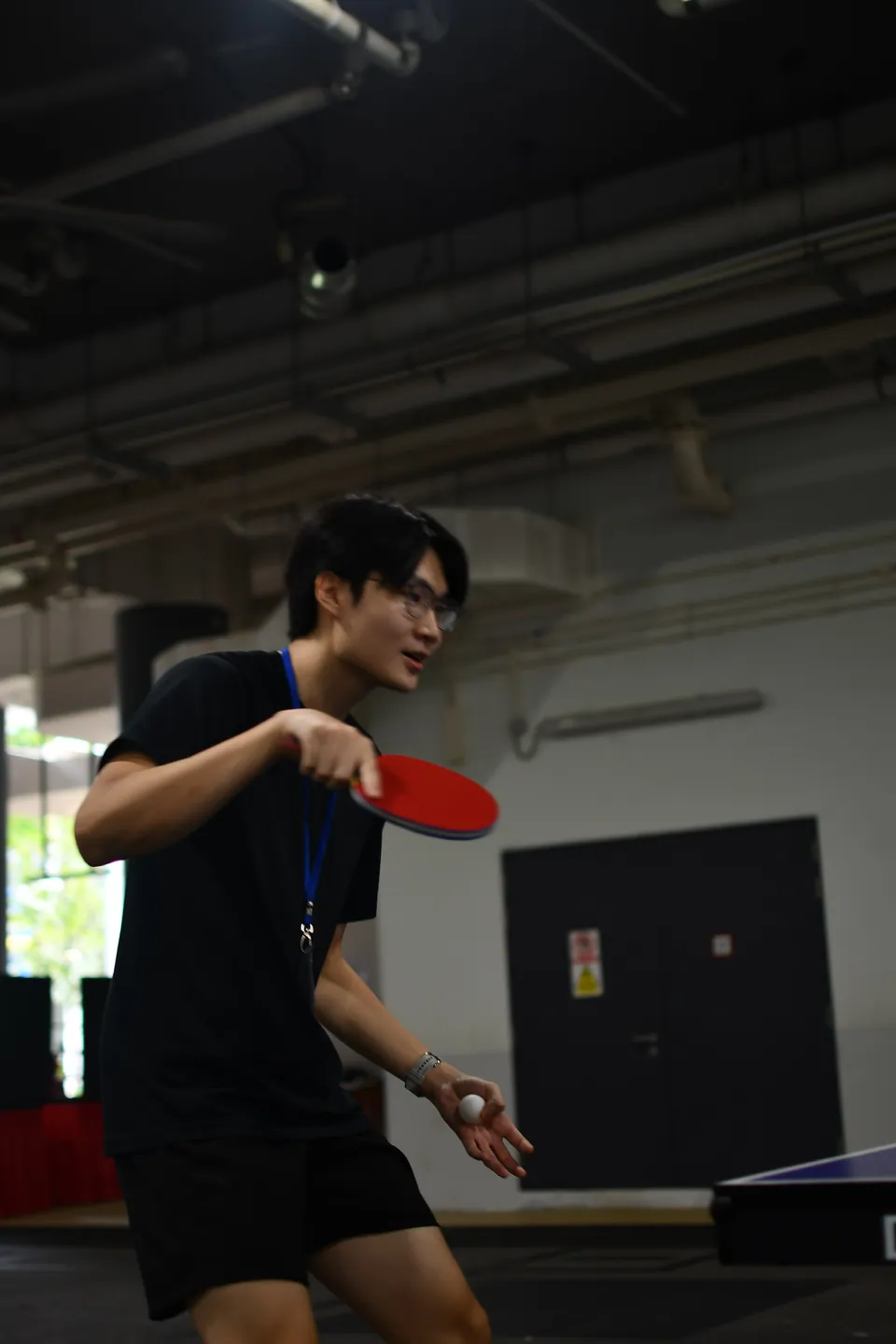
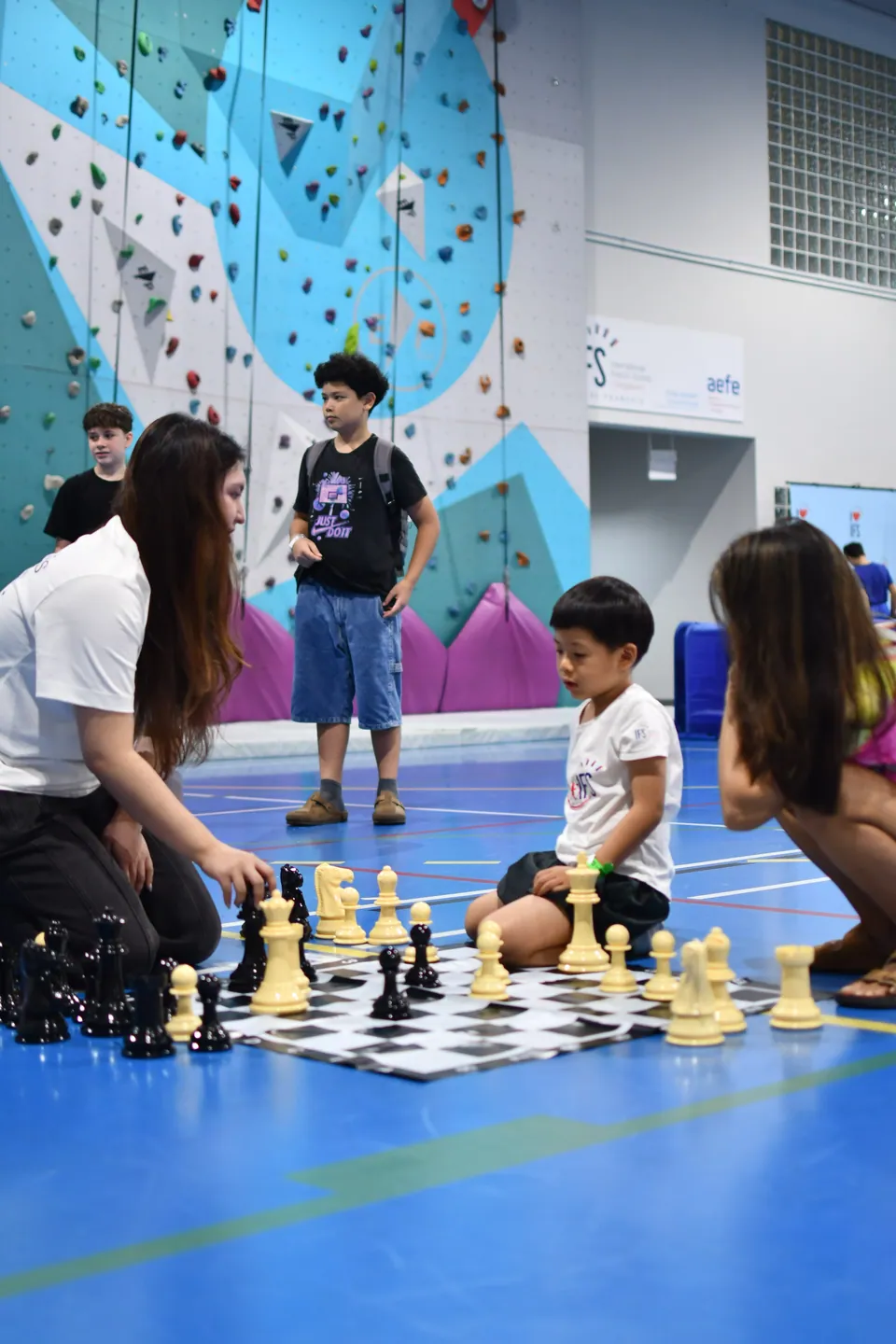
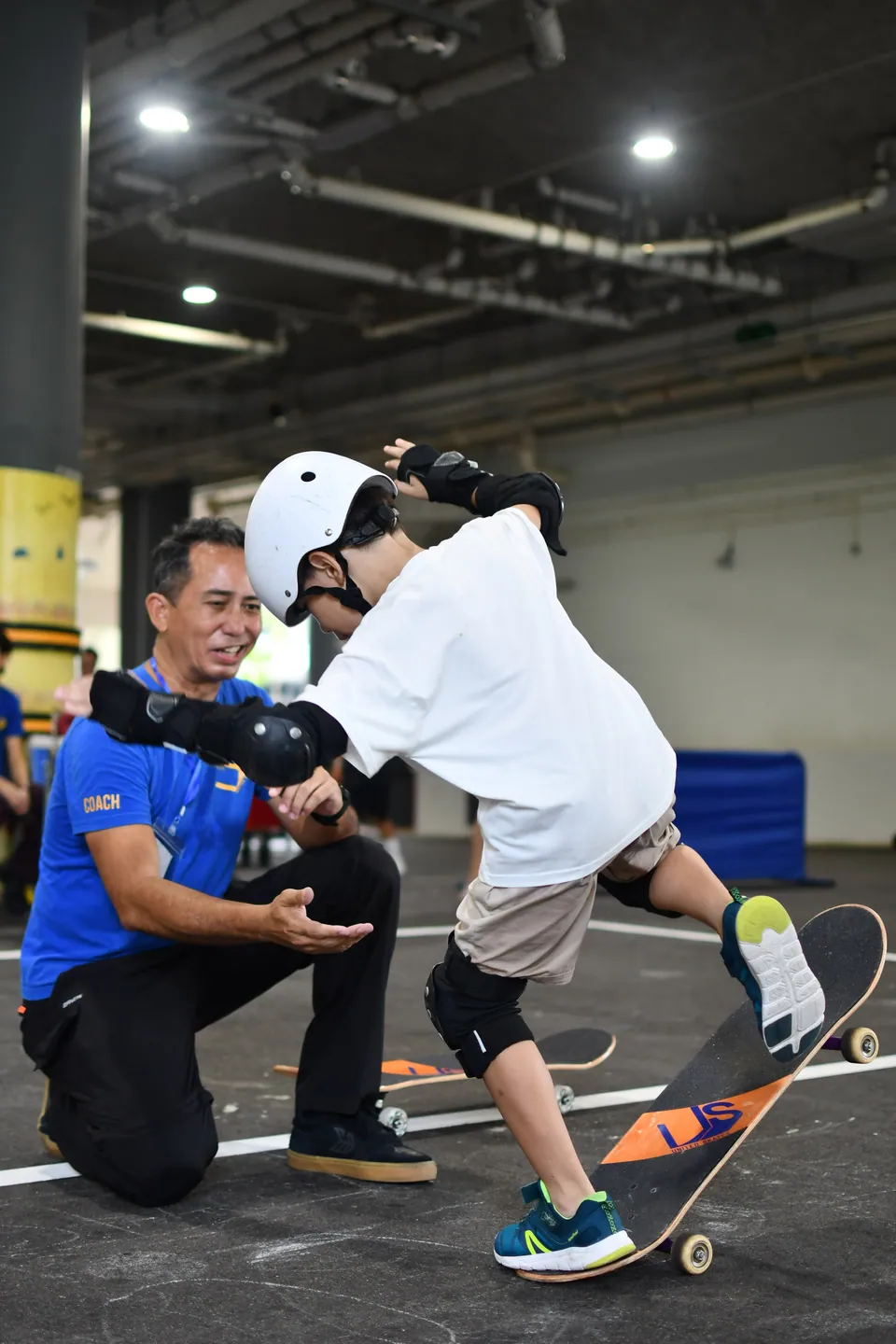
A closer look at racket skills, strategy and coached movement. The activity and level of support are selected around the participants.
Team & Ball Sports
14 activities
Shared play, coordination and friendly competition for groups of different sizes.- Basketball
- Volleyball
- Floorball
- Water Polo
- Cricket
- Field Hockey
- Captain’s Ball
- Dodgeball
- Tchoukball
- Handball
- KIN-BALL
- Frisbee
- Football
- Turnball
Racket Sports
7 activities
Adaptable partner and team formats with clear opportunities for skill progression.- Table Tennis
- Badminton
- Squash
- Tennis
- Beach Tennis
- Pickleball
- Padel
Fitness & Conditioning
4 activities
Fitness and conditioning, including swimming, with the session level selected around the group.- Pilates
- Fitness
- Running
- Swimming
Dance & Movement
5 activities
Rhythm, movement and coordination through dance, yoga and coached movement skills.- Yoga
- Dance
- Gymnastics
- Kpopx Fitness
- Zumba
Outdoor & Adventure
6 activities
Outdoor and skill-based experiences, subject to venue, route and participant requirements.- Cycling
- Hiking and Trekking
- Bouldering
- Skateboarding
- Inline Skating
- Parkour
Precision & Strategy
5 activities
Lower-impact formats built around focus, accuracy, decision-making and social participation.- Golf
- Mini Golf
- Archery
- Bowling
- Chess
Martial Arts & Combat
17 activities
Coached disciplines that can develop movement, confidence, focus and controlled challenge.- Arm Wrestling
- Muay Thai
- Kudo
- Capoeira
- Judo
- Systema
- Brazilian Jiu-Jitsu
- Aikido
- Taekwondo
- Ninjutsu
- Wushu
- Jeet Kune Do
- Wing Chun
- Kali
- Krav Maga
- Boxing
- Karate
Available activities depend on the programme objective, group size, venue, instructor availability, participant requirements and budget. LyfeGo will recommend suitable options and confirm the final activity mix in your proposal.
Sports programme questions
LyfeGo can draw on a network covering 58 sports and activities, including team sports, racket sports, fitness and movement, outdoor activities, martial arts, aquatic activities and mind sports. The suitable shortlist depends on the programme objective, group profile, venue, timing, instructor availability and budget.
Yes. A one-off corporate workshop or beginner clinic can be coordinated as a shared team experience, while a clinic can also form one station within a larger multi-sport event. LyfeGo will confirm the instructor, venue, equipment, participant level and agreed logistics in the proposal.
Yes, where the group size, venue, timing and budget support it. A smaller team may use a curated combination of activities, while a larger group may move through structured stations or rotations as a multi-sport event.
No. Availability varies by instructor, venue, equipment, participant requirements and programme format. LyfeGo will recommend suitable alternatives when a requested activity cannot be delivered safely or credibly within the brief.
Many activities can be introduced at beginner level, and formats can use modified rules, varied intensity, shorter rotations or alternative participation roles. The final recommendation depends on the specific group rather than assuming one activity suits everyone.
LyfeGo’s seven intensity dials
Seven intensity dials. One programme designed around your objective.
The same sport can create very different experiences depending on how it is designed. LyfeGo adjusts seven dimensions of intensity according to the organisation’s objectives, participant profile and programme context.
Team training dashboard · 7 adjustable dimensions
Design your team’s training experience
Explore how each setting changes the activity. These examples illustrate our approach, not a saved programme configuration.
Each dial can be adjusted independently. Low, medium and high describe different design choices, not a quality score. No setting is inherently better. The appropriate level depends on the programme objective and participant context.
Your selection
Physical intensity
medium intensity can mean
Moderate movement and pacing, planned recovery, limited contact and options for different participation levels.
Technical intensity
medium intensity can mean
Guided practice, modified rules and a manageable skill challenge for participants with mixed experience.
Cognitive intensity
medium intensity can mean
Some strategy and changing decisions, with clear boundaries and facilitator guidance when needed.
Emotional intensity
medium intensity can mean
A manageable challenge with visible attempts, constructive feedback and room to recover from mistakes.
Social intensity
medium intensity can mean
Rotating roles and some observed leadership without placing one person in the spotlight continuously.
Competitive intensity
medium intensity can mean
Scoring or time challenges are present, while learning, inclusion and participation remain emphasised.
Reflective intensity
medium intensity can mean
A structured debrief connects observed behaviour to work without probing personal values too deeply.
All dials start at Medium for exploration, not as a recommendation.
Purpose comes before pressure.
For high-pressure teams, challenge-and-threat principles help us consider both the demands of an activity and the preparation, control and support participants need. Process goals keep attention on specific actions, not only winning. Higher intensity is not a better programme.
Kolb’s experiential learning cycle structures all our debriefs, from light reflection to deeper workplace learning. Tuckman’s model informs the bonding elements, with space to build connection, work through different ideas and agree shared norms.
When learning is the objective, the game itself becomes part of the design. Explore Applied Sport, LyfeGo’s application of serious-game principles through sport.
Known factors such as participant fitness, injuries, medical conditions, accessibility requirements, venue conditions and the selected activity are considered when the programme is designed. Participants should disclose relevant needs before the session so suitable adaptations can be discussed.